Henna Tattoos - A Classic Tribal Art Project
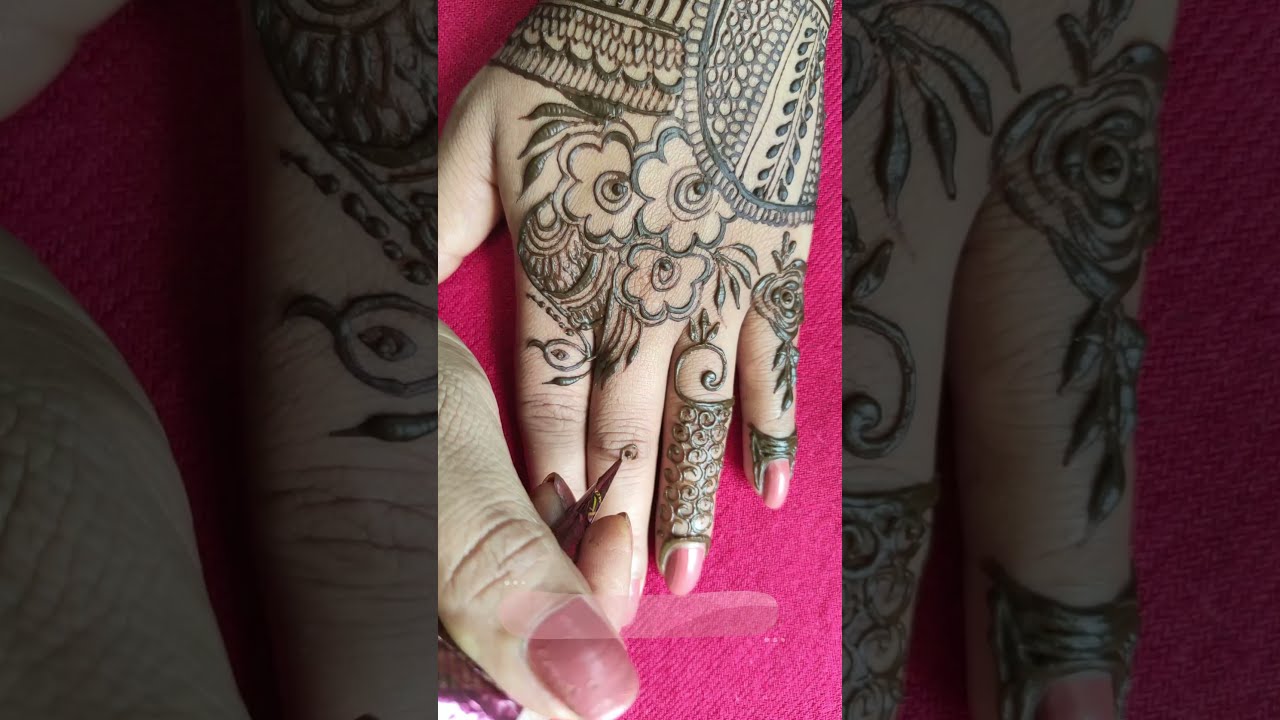
Mehndi is an old form of body art that is temporary and cosmetic skin decoration which is typically drawn on legs or hands, with an emulsifying paste made principally from the dried leaves from the tree (Lawsonia somnifera). It is a popular beauty art among urban women from India, Bangladesh, Pakistan, Nepal, Iran, and... It was in use since the time of the ancients and was considered to be a religious practice in some regions of India. Henna is among the components of makeup. Henna designs are used for hair care, face painting, tattooing, body decor as well as artistic application to the skin.
Henna tattoos aren't only intended to improve the appearance of skin, they also add color to it. Henna color varies based on the henna used, the duration of the dye, and the color of the skin pigmentation. Henna tattoos aren't only beautiful to look at, they are also beneficial for the body. The dye used for dyeing henna originates from plants and is neutralized by the presence of minerals and vitamins.
Henna designs by henna leaves could be created into patterns of decorative design by interlacing thin threads with plaited ends. Henna designs can be sewn into cloth or put on bracelets. Henna designs for hands are very popular. You can create a single design on your own or hire an expert artist to sketch out a design for you. Henna paints can also be applied onto other fabrics , like silk; a traditional wedding with henna in India is created by with mehendi, which is used for tying the saree along with other cloth pieces.
Henna hand designs perform best when applied with a bit of oil before application. Apply a little at first and then gently rub it on the skin . Allow the paste to set. Utilize your hands to spread the paste around the area to achieve an even, smooth finish. It's a good idea to keep a blotting cloth to clean off any excess paste before proceeding to the next step.
Henna design for the legs can be made using a little more care. The designs should be done carefully to ensure that the colors don't bleed into the clothes. Then, place the design directly upon the Simple Mehndi Design skin. Then, work in a circular fashion around the design. Then, take a clean piece of paper and outline the design with indented lines. You can then fill in the lines by using a colored pencil draw attention to it.
For henna designs that give your to legs an Asian appearance, wrap the upper part of the arm in tissue paper and leave some hair exposed. Apply the henna on the skin and then gently fold the tissue paper to form an ring. Once the ring is complete, employ a pair to cut small slits into the ring to allow the design to lay on. The slits will permit the dye to soak into the palm's skin and create a beautiful contrast between the skin and the pattern ring.
Henna designs for the feet and hands must be given the utmost care. Since the skin of these areas is more sensitive than the rest part of our body you must apply the henna-based products with careful care. Henna can be easily removed using soap and warm water, but it may take many abuses over time. Make sure you apply henna to your hands and feet once they have been properly cleaned prior. After application, your feet and hands should remain dry until it is dry.
Henna patterns for bodies can be made into whatever you'd like. Henna tattoos can be paired with other natural materials to create an appealing combination or stand alone. Since it natural plant is organic, there is an increased chance that shades will fade with time. If you choose to get a tattoo of a henna flower, you should be aware that it is likely to fade more quickly than other natural designs of your own body. Because of this, consider carefully what kind of material you'd like to use.
Opmerking
Welkom bij
Beter HBO
© 2026 Gemaakt door Beter HBO.
Verzorgd door


Je moet lid zijn van Beter HBO om reacties te kunnen toevoegen!
Wordt lid van Beter HBO